Eating Disorder Therapy
Virtual therapy for anorexia, bulimia, binge eating, ARFID, and disordered eating across Maryland, DC, and Pennsylvania, grounded in the expertise Juniper Blu Collective was built on
Eating disorder therapy is not a side service at Juniper Blu Collective. It is the foundation the practice was built on. Since 2013, our team has provided specialized support for people navigating eating disorders and self-harming behaviors, and that clinical depth runs through everything we do today.
Our therapists provide online eating disorder therapy for adults and young adults across Maryland, Washington DC, and Pennsylvania. We work with people experiencing anorexia, bulimia nervosa, binge eating disorder, ARFID, disordered eating patterns, and body image concerns using evidence-based approaches and a collaborative care model that coordinates with dietitians, nutritionists, physicians, and psychiatrists when appropriate.
Recovery is not a straight line. We understand that, and we build our support around it.
How Do I Get Started?

Contact Us
Reach out online or by phone at (202) 244-0818. We’ll answer your questions, talk through our process, and help you schedule your first appointment.
Confirm Your Appointment
We’ll send you a secure link to complete your new-patient paperwork before your first session. We review everything together so you feel prepared and comfortable.

Begin Treatment
Your first session is about getting to know each other: your life, your strengths, what you’re navigating, and how we can support you. From there, we’ll build a care plan that reflects your actual needs.
Balance Begins Here
How Juniper Blu Collective Approaches Eating Disorder Therapy
Eating disorders are deeply personal, and the way someone experiences anorexia is not the same as how someone else experiences binge eating or ARFID. That’s why our approach is individualized from the start, not a one-size-fits-all protocol.
At Juniper Blu Collective, eating disorder therapy is rooted in evidence-based, trauma-informed care. Our therapists draw from a range of clinical modalities depending on what each person needs, including Cognitive Behavioral Therapy (CBT), Dialectical Behavior Therapy (DBT), Acceptance and Commitment Therapy (ACT), EMDR, and mindfulness-informed practices. For those who connect with creative expression as part of their healing, we also offer individual art therapy, a modality integrated into the practice since its founding.
What makes our model different is coordination. Eating disorder recovery often requires more than therapy alone. Juniper Blu Collective works collaboratively with registered dietitians, nutritionists, psychiatrists, nurse practitioners, and primary care physicians to make sure the physical and emotional dimensions of recovery are addressed together. This isn’t a referral-and-forget model. It’s an active, ongoing collaboration.
We also recognize that eating disorders frequently co-occur with other challenges. Many of the people we work with are also navigating trauma, anxiety, depression, OCD, or relationship concerns. Our therapists are equipped to hold all of it, not just the eating disorder in isolation.
What Eating Disorders and Concerns We Support
Juniper Blu Collective provides online therapy for a range of eating disorders and related concerns. Each person’s experience is different, and our therapists tailor their approach accordingly.
Anorexia involves restrictive eating patterns and an intense preoccupation with weight, food, or body size that disrupts daily life and physical health. Our therapists work with people navigating anorexia to address the underlying emotional and psychological factors, not just the behaviors, using trauma-informed, evidence-based approaches in a virtual setting.
Bulimia often involves cycles of binge eating followed by compensatory behaviors like purging, excessive exercise, or restriction. These cycles can feel overwhelming and isolating. Therapy at Juniper Blu focuses on interrupting those patterns, building healthier coping strategies, and addressing the emotional distress that fuels them.
Binge eating disorder is one of the most common eating disorders, and it is often underdiagnosed. It involves recurrent episodes of eating large amounts of food accompanied by a sense of loss of control, often followed by shame or guilt. Our therapists help people understand the emotional triggers behind binge eating and develop a more balanced, compassionate relationship with food and their bodies.
ARFID goes beyond picky eating. It involves a persistent avoidance of certain foods based on sensory characteristics, fear of negative consequences, or a lack of interest in eating, and it can significantly impact nutrition, health, and quality of life. Juniper Blu Collective has therapists experienced in working with ARFID using structured, evidence-based approaches including CBT and exposure-based techniques.
Not everyone who struggles with food and body image fits neatly into a specific diagnosis, and you do not need a formal diagnosis to benefit from support. Disordered eating patterns, including chronic dieting, emotional eating, food restriction, or compulsive exercise, can cause real harm. Our therapists support people across the full spectrum of eating-related concerns.
Negative body image and body dysmorphic concerns are often deeply intertwined with eating disorders, though they can also exist on their own. Therapy at Juniper Blu helps people challenge distorted body perceptions, reduce body-related distress, and build a more grounded sense of self.
Who Provides Eating Disorder Therapy at Juniper Blu Collective
Eating disorder therapy requires specialized knowledge. At Juniper Blu Collective, several of our therapists have direct training and clinical experience in eating disorder treatment, and that expertise has been part of the practice since day one.

Jamie L. Jones
Founder & Psychotherapist
Founded Juniper Blu Collective specifically to support people navigating eating disorders and self-harming behaviors. Over 17 years of experience; clinical approach integrates art therapy, DBT, CBT, and ACT.
View full bio →
Megan M. Herbets
Licensed Professional Counselor
Specializes in eating disorders, body image concerns, and co-occurring depression and anxiety. Trained in Dialectical Behavioral Therapy with a Master's from Johns Hopkins University.
View full bio →
Michelle R. Scudero
Licensed Clinical Social Worker
Specialized training in eating disorders across the lifespan, including disordered eating during pregnancy and breastfeeding, a niche rarely addressed by other providers.
View full bio →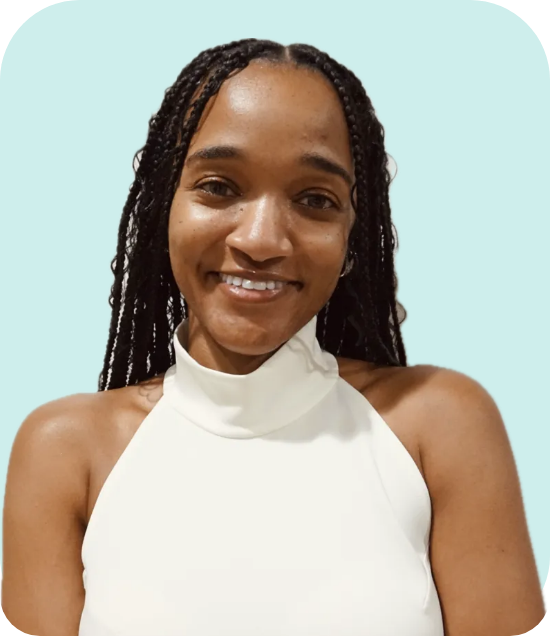
Jenna D. Howard
Licensed Graduate Counselor
Works with people navigating eating disorder concerns with over nine years of clinical experience, including inpatient and intensive outpatient eating disorder care settings.
View full bio →Why Choose Eating Disorder Therapy?
Reclaiming the delicate balance between your mind and body is the first step towards recovery from eating disorders like anorexia, bulimia, binge eating disorder, and body dysmorphia. Our treatment approach offers a range of benefits designed to support your healing journey, including nutritional counseling and therapy.
Physical health is just as important as mental health — and eating disorders can lead to a variety of physical health complications including malnutrition, electrolyte imbalances, and heart problems. Our treatment plan focuses on addressing any medical concerns, improving nutrition, and restoring your natural set point. We also collaborate with a team of professionals, including registered dietitians and physicians, to ensure your physical well-being.
Eating disorders are often rooted in emotional distress, such as anxiety, depression, and low self-esteem. Through therapy sessions with experienced therapists specializing in eating disorders, you’ll learn healthy coping mechanisms to manage difficult emotions and develop a more positive self-image. This can lead to a significant reduction in anxiety, depression, and other mental health symptoms.
Food should make you feel good. After all, food is medicine for the body. However, eating disorders can create a distorted view of food and a fear of eating. Our treatment plan helps you develop a healthy relationship with food and focus more on intuitive eating and mindful nourishment. You’ll learn to identify hunger and fullness cues, make balanced food choices, and enjoy the pleasure of eating without guilt or shame.
Loving your body is the first step toward a healthy mind and body connection. But eating disorders can lead to body dysmorphia and a negative self-image. Through therapy and support at Juniper Blu, you’ll learn to challenge negative body thoughts and develop a more realistic and accepting view of your body. This can also lead to increased self-confidence and a greater appreciation for your body.
At Juniper Blu, our comprehensive treatment plan equips you with the skills and knowledge to manage your eating disorder and prevent relapse. You’ll learn relapse prevention strategies, develop healthy coping mechanisms, and build a strong support system to help you maintain your recovery in the long term.
We’re all social creatures, and avoiding social interactions can lead to greater mental health issues. That said, eating disorders can strain relationships and make it difficult to participate in social activities. Through therapy and support, you’ll develop healthy communication skills and learn to navigate social situations with confidence. This can lead to stronger relationships and a more fulfilling social life.
How Online Eating Disorder Therapy Works
All eating disorder therapy at Juniper Blu Collective is delivered through secure, HIPAA-compliant telehealth, because virtual care is how this practice was designed to operate, not an afterthought.
Here’s what that looks like for eating disorder treatment specifically:
Your therapist works with you to build a care plan around your eating disorder, including setting recovery goals, identifying emotional and behavioral triggers, and developing skills to interrupt harmful patterns with food and body image. When your care involves coordination with a dietitian, physician, or psychiatrist, your therapist communicates with those providers so your treatment stays aligned, even across different offices and disciplines.
For many people navigating eating disorders, virtual therapy also reduces specific barriers that can interfere with treatment. It removes the stress of commuting to appointments on days when motivation is low, eliminates the pressure of being in a physical waiting room, and allows you to attend sessions from a space where you already feel comfortable. Research consistently supports the effectiveness of virtual eating disorder treatment, with studies showing outcomes comparable to in-person care for many people.
Eating Disorder
Therapy
FAQs
If your relationship with food, eating, or your body is causing distress, whether that looks like restriction, bingeing, purging, compulsive exercise, constant food anxiety, or preoccupation with weight, it may be worth talking to a therapist. You do not need a formal diagnosis to start. Eating disorders and disordered eating exist on a spectrum, and support can be helpful at any point.
We provide online therapy for anorexia nervosa, bulimia nervosa, binge eating disorder, ARFID (Avoidant/Restrictive Food Intake Disorder), OSFED, disordered eating, body image concerns, and body dysmorphia. Our therapists have specific training and experience in eating disorder treatment.
Our therapists use evidence-based modalities including Cognitive Behavioral Therapy (CBT), Dialectical Behavior Therapy (DBT), Acceptance and Commitment Therapy (ACT), EMDR, art therapy, mindfulness-informed care, and trauma-informed approaches. The specific approach depends on the individual. We don’t apply a single protocol to every person.
Common signs of an eating disorder may include intense concern about weight or body image, restrictive eating, binge eating, purging behaviors, or feeling a loss of control around food. Some individuals may also experience anxiety around meals, changes in eating patterns, or emotional distress related to food or body image.
If you’re unsure whether what you’re experiencing may be an eating disorder, speaking with a qualified therapist can help you better understand what support might be helpful.
Yes. A growing body of research supports the effectiveness of virtual therapy for eating disorders, with studies showing outcomes comparable to in-person treatment for many people. Juniper Blu Collective was designed from the ground up for telehealth delivery. Our therapists are trained in telebehavioral health, and virtual care is our primary service model, not a secondary option.
Eating disorders are complex mental health conditions that often benefit from specialized care. When looking for an eating disorder therapist, it can be helpful to find a clinician who has experience working with conditions such as anorexia, bulimia, binge eating disorder, and ARFID, and who collaborates with other healthcare providers when appropriate. At Juniper Blu Collective, our therapists work with individuals experiencing disordered eating and often coordinate care with dietitians, physicians, and other professionals to support recovery.
Our treatment process begins with a comprehensive assessment to understand your individual needs and develop a personalized treatment plan. This may include individual therapy, group therapy and nutritional counseling. The duration of treatment varies depending on the severity of the eating disorder and individual progress.
The length of therapy depends on many factors, including the type and severity of the eating disorder, co-occurring concerns, and individual progress. Some people work with a therapist for several months; others benefit from longer-term support. Your therapist will discuss treatment goals and expected timelines with you early on and will adjust the plan as you progress.
We believe that recovery is an ongoing process. We offer aftercare support to help you maintain your progress and prevent relapse. This may include continued therapy, support groups, and nutritional counseling.
Treatment centers typically offer higher levels of care such as residential programs, partial hospitalization (PHP), or intensive outpatient programs (IOP), often for people who need daily structured support. Outpatient therapy, like what Juniper Blu Collective provides, involves regular individual sessions (typically weekly) and is appropriate for people who are stable enough to manage their daily lives while actively working on recovery. Many people step down from a treatment center to outpatient therapy, and many others begin with outpatient care from the start.
Yes. Juniper Blu Collective uses a collaborative care model. Our therapists work alongside registered dietitians, nutritionists, psychiatrists, nurse practitioners, and primary care physicians when appropriate. Eating disorder recovery often involves more than therapy alone, and we believe coordinated care leads to stronger outcomes.
Juniper Blu Collective accepts CareFirst insurance. For people with other insurance plans, we offer concierge support to help you use your out-of-network benefits. We typically work with PPO, HMO, POS, and federal plans. We do not currently accept Medicaid or Medicare.
Yes. All eating disorder therapy at Juniper Blu Collective is delivered through secure telehealth. You can attend sessions from home or any private location where you feel comfortable, as long as you are physically located in Maryland, Washington DC, or Pennsylvania at the time of your session.
We Accept Insurance

We accept CareFirst insurance and offer concierge support for out-of-network benefits for eating disorder therapy. Contact us for more details.
The Juniper Blu Blog
Looking to be informed, inspired, or uplifted? Check out our latest blog posts for in-depth insights from industry experts discussing all the things you want to know about mental wellness including our expertise in eating disorders, trauma, autism, and support with chronic illness.

What Is ARFID & How Is It Different from Picky Eating?

7 Strengths of Neurodivergent Parents
Take the Next Step Toward Recovery
You don’t have to navigate this alone. If you or someone you care about is struggling with an eating disorder or disordered eating, Juniper Blu Collective is here to help with experienced therapists, a collaborative approach, and the flexibility of virtual care across Maryland, Washington DC, and Pennsylvania.