



Accepting New Patients In Maryland, DC & Pennsylvania! Hiring New Clinicians to Join our Team Now!

Neurodivergence-Affirming Therapy

Online therapy that starts from a different assumption: that your brain works differently, not wrongly.

A lot of therapy is built around getting neurodivergent people to blend in better. At Juniper Blu Collective, we take a different approach. Our therapists work to understand how you actually experience the world, not how the world expects you to. Whether you’re navigating ADHD, autism, sensory processing differences, learning disabilities, or a combination that doesn’t fit a clean label, we offer telehealth therapy across Maryland, Washington DC, and Pennsylvania that works with your nervous system, not against it.

How Do I Get Started?

Communication and speaking icon

Contact Us

You can contact us through our website or call (202) 244-0818. You don’t need to have everything figured out before you get in touch. A lot of people reach out before they’re even sure what they’re looking for, and that’s completely fine.

Client selection icon

Confirm Your Appointment

We’ll send you a secure link to complete your new-patient paperwork before your first session. We review everything together so you feel prepared and comfortable.

Emotional wellbeing and mental health support icon

Begin Treatment

Your first session is about getting to know each other: your life, your strengths, what you’re navigating, and how we can support you. From there, we’ll build a care plan that reflects your actual needs.

What Does “Neurodivergence-Affirming” Really Mean?

Many people have heard the phrase but aren’t sure what it looks like in practice. Neurodivergence-affirming therapy means your therapist is not trying to train away the way your brain works. It means ADHD, autism, sensory differences, and related experiences are understood as real variations in how people think, process, and move through the world — not as deficits to be corrected.

In practice, that shows up in small but meaningful ways. Sessions move at a pace that works for you. If you need to stim, move, doodle, or look away to focus, that’s fine here. Your therapist won’t interpret those things as disengagement. Goals are built around what you want your life to look like, not what a standardized checklist says it should look like.

Affirming care also means we take seriously the things that often go unaddressed: the exhaustion of masking, the grief that can come with a late diagnosis, the way anxiety and burnout layer on top of neurodivergence and make everything harder to sort out.


Who Comes to Juniper Blu for Neurodivergent Support?

People reach out to us for a lot of different reasons. Some have a diagnosis and want a therapist who actually understands it. Others have spent years wondering why certain things are so much harder for them than they seem to be for everyone else, and they want space to figure that out. Some are parents of neurodivergent children trying to support their kids while also managing their own mental health. And some are adults who were diagnosed late in life and are still processing what that means.

You do not need a formal diagnosis to work with us. You do need a therapist who will not dismiss your experience, minimize your challenges, or spend sessions trying to make you into someone you are not.

We work with autistic adults, teens, and children, as well as people navigating ADHD across all presentations, including inattentive, hyperactive, and combined. We also support individuals with learning disabilities such as dyslexia and dyscalculia, people processing a late or recent neurodivergent diagnosis, and adults experiencing burnout that may be rooted in years of masking.

Many of the people we see are also navigating something else alongside their neurodivergence, whether that is anxiety, depression, OCD, trauma, or concerns around eating. We work with families supporting neurodivergent children or partners, and we welcome LGBTQIA+ individuals who are looking for affirming, intersectional care.

Therapists Who Specialize in Neurodivergent Care

Annie M. Sousa

Annie M. Sousa

Licensed Clinician / Therapist

Specializes in neurodiversity, ADHD, autism, OCD, anxiety, and PTSD. Certified in EMDR with training in ACT and CBT. Master's in Counseling from Northwestern University.

View full bio →
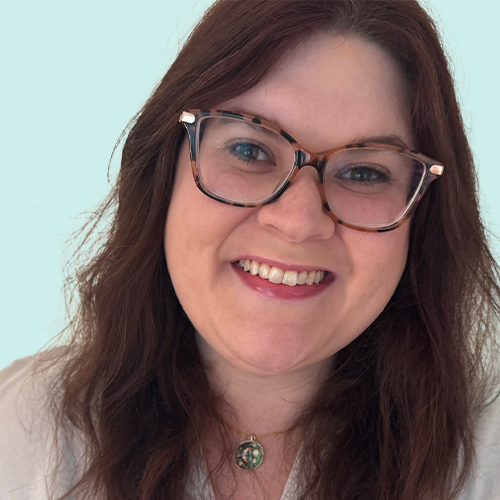
Artemis Rigopoulos

Artemis Rigopoulos

Counselor Trainee

Person-first, trauma-informed support for ADHD, anxiety, and emotional regulation. Uses mindfulness-based and somatic approaches. Offers sessions in Portuguese, Greek, and English.

View full bio →

Megan M. Herbets

Megan M. Herbets

Licensed Professional Counselor

Seven years of experience supporting adults and children with autism, learning disabilities, anxiety, depression, and PTSD. Trained in DBT with a Master's from Johns Hopkins University.

View full bio →
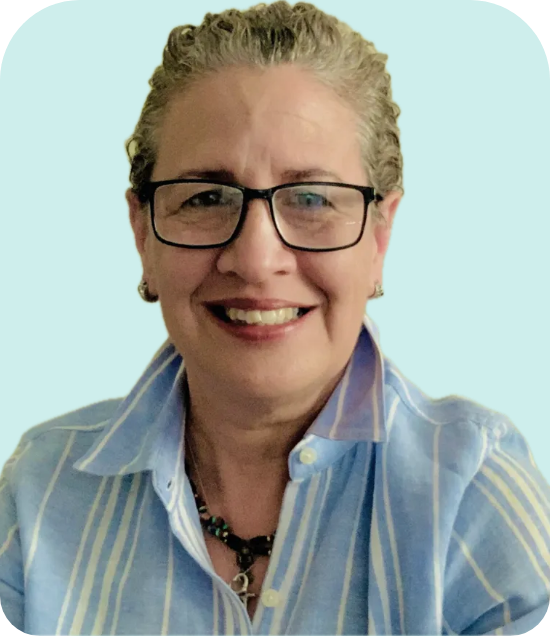
Eva M. Camacho

Eva M. Camacho

Licensed Graduate Professional Counselor

Over 20 years working with youth and families in the DC area. Former researcher in Developmental Psychology and Emotional Intelligence. Multimodal approach including CBT, narrative, and mindfulness.

View full bio →
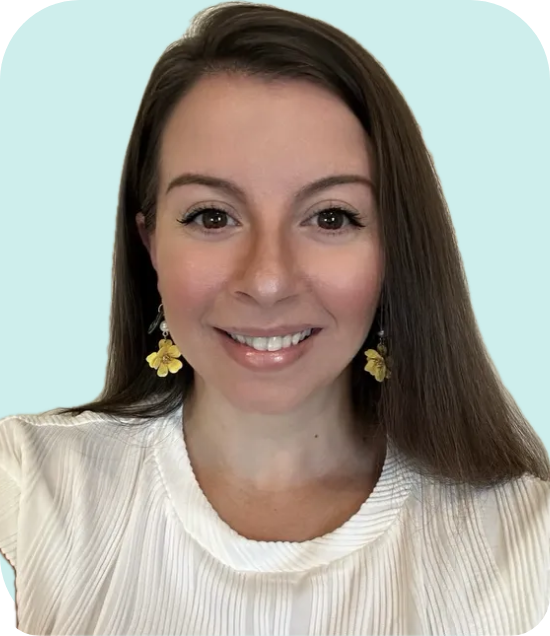
Michelle R. Scudero

Michelle R. Scudero

Licensed Clinical Social Worker

Extensive experience supporting families of children with autism and special needs. Also works with chronic illness, grief, and perinatal concerns using narrative and solution-focused therapy.

View full bio →


What Therapy Looks Like at Juniper Blu

There’s no single template for what neurodivergence-affirming therapy looks like because no two people are the same. What we can tell you is what we pay attention to.


Many neurodivergent people spend enormous energy performing a version of themselves that is more socially acceptable. That takes a toll. Therapy here is one place where that performance is not required, and where you can start to understand what it has cost you.

Anxiety, depression, OCD, and trauma are significantly more common in neurodivergent people than in the general population. We do not treat these as separate problems. We look at how they interact, and we use approaches that address all of it.

Some people need concrete strategies: how to structure a day, how to manage sensory overwhelm at work, how to communicate needs in relationships. Others need more space to process and feel understood. Most people need some of both, and we adjust as we go.

Neurodivergence affects how people connect with others, and not always in the ways people expect. We work with individuals and families to build communication tools that are honest about how someone’s brain actually works.

Our clinicians are trained in Acceptance and Commitment Therapy (ACT), Cognitive Behavioral Therapy (CBT), Dialectical Behavior Therapy (DBT), EMDR, Internal Family Systems (IFS), mindfulness-based approaches, somatic practices, and individual art therapy. Approaches are matched to the person, not the other way around.

Why Virtual Therapy Often Works Better for Neurodivergent People

This comes up a lot, so it is worth addressing directly. Many neurodivergent people find telehealth easier to engage with than in-person therapy, and there are real reasons for that.

The sensory environment is one. Waiting rooms, fluorescent lighting, unfamiliar smells, and the pressure of navigating a new physical space can make it genuinely harder to show up and be present. From home, you control your surroundings. You can have your weighted blanket, your fidget, your dog. You can be in the room where you feel most like yourself.

Travel is another factor. For people with executive function challenges, the logistics of getting somewhere on time, finding parking, and managing the transition back to the rest of the day add friction that sometimes becomes a reason not to go at all.

Frequently Asked Questions About Neurodivergence-Affirming Therapy

Neurodivergence-affirming therapy is a therapeutic approach that treats neurological differences such as ADHD, autism, dyslexia, and sensory processing differences as variations in how people experience the world, not as disorders to be fixed or symptoms to be eliminated. A neurodivergence-affirming therapist works with a person’s actual brain, builds goals around what that individual values, and avoids pushing neurotypical norms as the default definition of health.

No. Many people we work with are either undiagnosed or in the process of seeking a diagnosis. If you are exploring whether neurodivergence is part of your experience, or if you have spent years feeling like your brain works differently without having a formal label for it, we can work with you exactly where you are.

Yes, and this is very common. Anxiety, depression, and OCD occur at significantly higher rates in autistic people and those with ADHD than in the general population. Our therapists are trained to address co-occurring mental health challenges and understand how they interact with neurodivergence. We do not treat these as separate problems.

That is something we hear often, especially from neurodivergent people who have worked with therapists who were not familiar with how their brain works. If past therapy felt like you were being told to try harder, think more positively, or behave more like other people, we understand why that did not work. We approach this differently, and we are happy to talk through what that looks like before you commit to anything.

Yes. Several of our therapists work with children, teens, and their families. We also support parents of neurodivergent children who are managing their own mental health alongside the demands of caregiving.

For many neurodivergent people, telehealth removes barriers that make in-person therapy harder to sustain. This includes sensory sensitivities, executive function challenges around travel and transitions, and the ability to be in a comfortable, familiar environment during sessions. Research supports telehealth as an effective format for mental health therapy, and many of the people we work with find it easier to engage from home than from a clinic.

Yes. Juniper Blu Collective has therapists who provide sessions in English, French, Portuguese, Spanish, and Greek.

The best way to find out is to reach out. We will answer your questions, tell you about our therapists, and help you figure out whether someone on our team is a good match for what you are looking for. There is no pressure, and you are not committing to anything by getting in touch.

We Accept Insurance

We accept CareFirst Insurance

We accept CareFirst and offer concierge support for people with other insurance plans to help make use of out-of-network benefits. We work with PPO, HMO, POS, and federal plans. We do not accept Medicaid or Medicare.

The Juniper Blu Blog

Looking to be informed, inspired, or uplifted? Check out our latest blog posts for in-depth insights from industry experts discussing all the things you want to know about mental wellness including our expertise in eating disorders, trauma, autism, and support with chronic illness.

Ready to Work With a Therapist Who Gets It?

Finding a therapist who actually understands neurodivergence is not easy. We know that. If you have spent time in therapy that felt like you were being fit into a mold that was not made for you, we want you to know that is not the only way this works.

Juniper Blu Collective is accepting new patients in Maryland, Washington DC, and Pennsylvania. All sessions are held through secure telehealth.