
We provide neurodivergence-affirming telehealth care for autistic adults, adolescents, and children across Maryland, DC, and Pennsylvania. Our team supports late-diagnosed adults, high-masking autistics, autistic burnout, sensory and executive function challenges, and the anxiety, depression, and trauma that often run alongside autism. Our work isn't about making autistic people less autistic. It's about helping autistic people live well, on their own terms.
Autism Care at Juniper Blu
Autism is a neurotype, not a disorder to be cured. Autistic people experience the world differently, and many of those differences are strengths once they're given space to exist. The challenges autistic people face are often more about navigating a world built for neurotypical brains than about anything wrong with autistic brains themselves.
That said, autism in a world that wasn't built for you is genuinely hard. The exhaustion of masking, the sensory overwhelm, the burnout from social demands, the anxiety from constantly translating between your brain and everyone else's: these are real, and they're often what brings autistic people to therapy. Our work is to help with all of that, while affirming the way your brain actually works.
What Neurodivergence-Affirming Care Actually Looks Like
"Neurodivergence-affirming" is a phrase a lot of practices use, and it doesn't always mean the same thing. Here's how affirming care differs from traditional approaches to autism, in practice:
Affirming care
- Treats autism as a neurotype, not a disorder
- Centers the autistic person's goals, not goals imposed from outside
- Supports unmasking, not better masking
- Honors stimming as regulation, not behavior to extinguish
- Names sensory needs as real and accommodates them
- Recognizes burnout and the cost of masking
- Uses identity-first language (autistic person) by default, follows the client's preference
- Builds skills the autistic person actually wants, not skills meant to make them seem less autistic
Traditional approaches
- Treats autism as a deficit to be corrected
- Goals often center compliance and "appearing typical"
- Focuses on better masking or eye contact
- Treats stimming as a problem behavior
- Minimizes or pathologizes sensory differences
- Doesn't recognize autistic burnout as a distinct phenomenon
- Uses person-first language (person with autism) regardless of client preference
- Skill-building often focused on social conformity
Affirming care doesn't mean ignoring real challenges. It means addressing those challenges in collaboration with you, not in opposition to who you are. We work on what you want to work on, not what someone else thinks you should change.
Late-Diagnosed Autism in Adults
One of the largest groups we work with is adults who realized they were autistic later in life. This is a rapidly growing population, partly because diagnostic criteria historically excluded the way autism actually presents in many adults (especially women, AFAB people, and high-masking individuals), and partly because the public conversation about autism has expanded enough that more people are recognizing themselves.
If this is you, the experience often includes some or all of the following:
- Recognition. Reading or hearing something about adult autism and suddenly having decades of confusing experiences click into place.
- Grief. Mourning the supports you didn't get, the years of being told you were "too sensitive" or "trying hard enough," and the version of yourself you might have been with earlier recognition.
- Relief. A coherent framework for things that always felt like personal failures: the social exhaustion, the sensory issues, the meltdowns, the need for routine.
- Burnout. Many late-diagnosed adults arrive in deep autistic burnout, which is different from regular burnout and requires specific support to recover from.
- Identity questions. What does it mean to be autistic? What changes? What stays the same? Who am I underneath the years of masking?
- Practical questions. Should I disclose? At work? To family? Should I pursue formal diagnosis? Do I need accommodations?
You don't need a formal diagnosis to work with us
If you've recognized yourself as autistic and want support, you can start therapy whether or not you've pursued a formal evaluation. We don't gatekeep on diagnosis, because we know how inaccessible, expensive, and inconsistent adult autism assessment can be. Self-identification is valid here, and we work with people at every stage of recognizing, exploring, and integrating an autistic identity.
How We Approach Autism Care
Autistic people are not a monolith, and what works for one autistic client may not work for another. Our work is shaped to you: your sensory profile, your communication preferences, your goals, the supports you need, and the things you don't need anyone to "fix."
Depending on what you need, our therapists draw on:
- Neurodivergence-affirming therapy: the foundation of all our autism work, centering autistic experience and autonomy
- Acceptance and Commitment Therapy (ACT): particularly useful for working with values, identity, and the gap between who you've been performing as and who you actually are
- Internal Family Systems (IFS): for parts work, including the protective "masking parts" that have done a lot of heavy lifting
- Trauma-informed care: for autistic clients with trauma histories, including the trauma of years of being misunderstood
- Somatic and body-based approaches: for sensory dysregulation, nervous system support, and the body-based exhaustion of masking
- Cognitive Behavioral Therapy (CBT): adapted in affirming ways for co-occurring anxiety, depression, and OCD
- DBT skills: for emotion regulation, distress tolerance, and interpersonal navigation when those are useful to the client
- Art therapy: for clients who benefit from non-verbal processing, particularly useful for autistic clients who find talk-only therapy limited
Some of our therapists are themselves neurodivergent, and all of our clinicians have specific training in autism-affirming care. We don't practice ABA, and we don't use approaches designed to make autistic people seem less autistic.
Other places to look
Autism rarely shows up alone. If you want to read about how we work with concerns that often co-occur with autism, our Anxiety, OCD, ARFID, Eating Disorder Therapy, PTSD, and Neurodivergence-Affirming Therapy pages might be useful.
Common Experiences We Work With
Autistic people come to therapy for many reasons. Some of the most common things we work on:
Autistic burnout:
- Exhaustion that doesn't resolve with rest
- Loss of previously available skills (sometimes called regression or skill loss)
- Increased sensory sensitivity
- Difficulty masking even when you want to
- Shutdown, meltdown, or both
Masking and unmasking:
- The cost of years of suppressing natural behavior
- Disconnection from your own preferences, needs, or identity
- Exploring what unmasking could look like in your life
- Choosing when to mask and when to let yourself be
Sensory needs:
- Understanding your sensory profile
- Building accommodations into your daily life
- Recognizing sensory overwhelm before it becomes shutdown
- Advocating for sensory needs at work, school, or home
Executive function and daily life:
- Task initiation, planning, and follow-through
- Time perception and time blindness
- Rest, transitions, and routine
- Building structures that work for your brain instead of against it
Identity and self-understanding:
- Processing a new or re-emerging autistic identity
- Grief over years of being misunderstood
- Reconciling autism with other parts of identity (gender, sexuality, culture, profession)
- Deciding what to disclose, to whom, and when
Relationships and communication:
- Navigating neurotypical-autistic relationships
- Communication differences in friendships, partnerships, and family
- Setting boundaries around social energy
- Finding your people, online and offline
When to Reach Out
If you've recognized yourself as autistic and are looking for support that doesn't pathologize you, reach out. If you've been formally diagnosed and want to work with someone who actually understands autistic experience, reach out. If you're in autistic burnout, struggling with masking exhaustion, navigating identity questions, or supporting an autistic child or partner, reach out.
You don't need a formal diagnosis to start therapy with us. You also don't need to know exactly what you want to work on. Many of the people we work with come in saying "I think I might be autistic" or "I just got diagnosed and I don't know what to do with that," and we figure it out together.
What to Expect from Autism Care
Getting to know you
The first few sessions are about understanding your autistic experience: how your brain works, your sensory profile, what you've been navigating, what's worked and what hasn't, and what you actually want from therapy. We don't run a script. The pace and structure are shaped to you, including accommodations for how you process and communicate best.
Building understanding
For late-diagnosed or recently identified clients, this phase often involves a lot of integration: connecting current experiences to autistic patterns, understanding burnout and masking, learning your sensory profile, and starting to relate to yourself differently. For clients with longer-standing autistic identity, this phase focuses on specific goals you bring.
Active work
This is where the goals you set get worked on directly. Recovering from burnout. Practicing unmasking safely. Building accommodations into daily life. Working through co-occurring anxiety, depression, or trauma. Practicing communication strategies that feel sustainable. Each client's active work looks different, because each autistic person's needs are different.
Sustainability and integration
As things stabilize, the work shifts to building a life that's sustainable for your brain long-term: managing energy, planning for high-demand periods, knowing your early warning signs of burnout, and reclaiming the parts of life that masking had taken from you. Many of the people we work with continue with less frequent sessions to stay grounded through life transitions.
Therapists Who Work with Autism
The clinicians below have specific training and experience working with autistic clients. To meet our full team, visit the Our Team page.

Megan M. Herbets
Licensed Professional Counselor
Special education background with extensive autism-specific training. Works with autistic adolescents and adults using neurodivergence-affirming approaches, DBT, ACT, IFS, and psychodynamic psychotherapy. Particular focus on late-diagnosed adults and the burnout, identity, and masking work that often accompanies recognition.
View full bio →
Annie M. Sousa
Licensed Graduate Professional Counselor
EMDR-trained with extensive somatic and trauma training. Works with autistic adults navigating the intersection of autism, trauma, ADHD, and burnout. Draws on ACT, IFS, somatic approaches, and Linda Thai's somatic trauma method. Bilingual in English and Spanish.
View full bio →
Jamie L. Jones
Founder · LCPAT, LCPC, ATR-BC
Founder and Eating Disorder Specialist with 17+ years of experience. Works with autistic adults and adolescents on co-occurring concerns including ARFID, eating disorders, anxiety, OCD, and the sensory and identity dimensions of autistic experience. Uses art therapy and DBT alongside affirming care.
View full bio →
Batya H. Erickson
Licensed Graduate Professional Counselor
Attachment-based, mindfulness-informed therapy for autistic children, adolescents, and adults. Particular focus on co-occurring anxiety, the relational patterns that often develop around masking, and supporting families of autistic young people.
View full bio →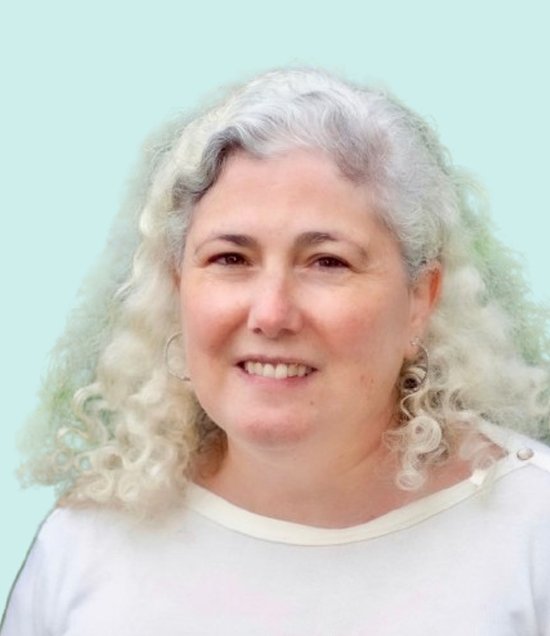
Malca R. Gottlieb
Licensed Independent Clinical Social Worker
C-DBT certified and EMDR-trained, offering relationship-centered psychotherapy for autistic clients, particularly when autism intersects with trauma, attachment work, or family dynamics. Works across the lifespan with autistic clients and their families.
View full bio →
Michelle R. Scudero
Licensed Clinical Social Worker
Specialized training in working with autistic individuals across the lifespan, including children, adolescents, adults, and individuals with significant support needs. Particular experience with autistic clients navigating co-occurring eating disorders or chronic illness.
View full bio →Payment & Where We Work
We see people via secure telehealth across Maryland, Washington DC, and Pennsylvania. We offer concierge support to help you use out-of-network benefits with most major plans.
For full details on payment and telehealth delivery, visit our Payment Options page.
Autism-Specific Questions
No. We work with self-identified autistic people and people who are still exploring whether autism fits. Formal diagnosis is expensive, inaccessible, and often inconsistent for adults, particularly women, AFAB people, and high-masking individuals. Self-identification is valid in our practice, and we work with people at every stage of recognizing, exploring, and integrating an autistic identity.
It means we treat autism as a neurotype rather than a disorder, we center your goals and autonomy, we support unmasking rather than better masking, we treat stimming as regulation rather than behavior to extinguish, and we honor sensory needs as real. We don't try to make autistic people less autistic. We help autistic people live well, on their own terms.
No, we don't currently offer formal autism diagnostic evaluations. We provide ongoing therapy and support, which doesn't require a formal diagnosis. If you're seeking an evaluation, we're happy to refer you to neurodivergence-affirming evaluators in the region. Many of our clients pursue evaluation alongside therapy, but it's not required.
Yes, autistic burnout is one of the most common reasons adults come to us. Burnout in autistic people is different from typical work burnout: it involves nervous system exhaustion from chronic masking, sensory overload, and the demands of navigating a neurotypical-default world. Recovery from autistic burnout takes time and specific support, including reducing demands, increasing rest, building sensory accommodations, and often reducing masking. We can help you understand what your burnout needs and build a sustainable recovery.
No. We don't practice Applied Behavior Analysis. Our approach is rooted in neurodivergence-affirming frameworks that center autistic experience and autonomy. We don't work toward goals like reducing stimming, increasing eye contact, or otherwise making autistic clients appear less autistic.
Yes. Several of our clinicians are themselves neurodivergent, and all of our therapists working in this area have specific training in autism-affirming care. We believe lived experience adds genuine depth to the work, while also recognizing that neurodivergent clinicians work across many different populations, not only with neurodivergent clients.
Many of the people we work with start therapy unsure whether they're autistic. Exploring the question is something we can absolutely do together. It often involves discussing your experiences across the lifespan, learning about how autism presents in adults (particularly high-masking adults), and considering whether the framework fits. We don't provide formal diagnoses, but we can help you understand your experience and decide whether to pursue evaluation if you want one.
Yes. Several of our therapists work with autistic children, adolescents, and their families. We use affirming approaches that support the autistic child as they are, while also helping families understand their child's neurology and build accommodations into family life. Our work with kids is collaborative, sensory-aware, and never aimed at making the child seem less autistic.
It varies significantly based on what brought you in. Late-diagnosed adults integrating identity often work with us for a year or longer, because there's a lot of unpacking, grief, and re-patterning involved. Autistic burnout recovery typically takes several months at minimum. Specific goals (like building accommodations or working through a co-occurring concern) may be shorter. Your therapist will discuss a realistic timeline during the assessment phase.
Start Autism Care with Juniper Blu Collective
Whether you're newly identifying as autistic, navigating burnout, or just looking for a therapist who actually gets it, reach out today. We'll talk through what affirming care could look like for you.
Connect With Us