We provide specialized telehealth care for anorexia across Maryland, DC, and Pennsylvania. Our team works with adolescents and adults navigating restricting-type, binge-purge type, and atypical anorexia, drawing on Family-Based Treatment (FBT) for teens, CBT-E, DBT, and trauma-informed approaches alongside coordinated medical and nutritional care. Eating disorder support has been part of Juniper Blu since the practice was founded in 2013, and our team includes six clinicians with specialized training in this work.
This page is about anorexia specifically. For more on how we work with eating disorders generally (our team, our philosophy, and how we coordinate care with dietitians and medical providers), visit our Eating Disorder Therapy page.
Anorexia Care at Juniper Blu
Anorexia is a serious but treatable eating disorder. It's marked by restricted eating, intense fear of weight gain, and a distorted relationship with food and body image. It can develop at any age, in any body, in anyone. Most often it begins in adolescence, but plenty of adults reach out after years of struggling quietly.
Eating disorder support is part of how Juniper Blu was built. The practice opened in 2013 specifically to walk alongside people navigating eating disorders, and anorexia has been part of that work from the start. We don't try to do this alone. When it's the right fit, we coordinate closely with dietitians, primary care providers, and medical teams so the people we work with have a real team behind them.
Types of Anorexia
Anorexia doesn't have one face. Clinicians recognize two formal subtypes, and a third presentation, atypical anorexia, affects a significant number of people who are routinely missed by both providers and themselves.
Anorexia Nervosa, Restricting Type
Weight loss achieved primarily through restricting food intake, fasting, or excessive exercise. There's no regular pattern of binge-eating or purging behaviors. This is what most people picture when they hear "anorexia," but it's only one of multiple presentations.
Anorexia Nervosa, Binge-Eating/Purging Type
The person meets criteria for anorexia (significant restriction and weight loss, fear of weight gain, body image disturbance) but also engages in regular binge-eating or purging behaviors, including vomiting, laxative use, diuretics, or other compensatory behaviors. This type often co-occurs with the cycle dynamics found in bulimia.
Atypical Anorexia
A person experiences all the cognitive, behavioral, and emotional symptoms of anorexia (restriction, fear of weight gain, body image distortion, significant weight loss), but their weight remains within or above what's considered "normal." Atypical anorexia is just as serious as classic anorexia, often produces the same medical complications, and requires the same level of care. It's also one of the most under-recognized eating disorders, frequently missed by providers who focus only on weight.
Why Atypical Anorexia Is So Often Missed
Atypical anorexia deserves its own section because so many people who have it spend years without recognition or care. The reasons are systemic:
- Weight stigma in medicine. Many providers are trained to interpret weight loss in larger bodies as healthy, even when it's driven by restriction and accompanied by serious medical and psychological symptoms.
- The "anorexic body" stereotype. Cultural and clinical images of anorexia center thin bodies, leaving many people convinced their suffering "doesn't count" because they don't look the part.
- Symptoms that get praised. Restriction, weight loss, and excessive exercise often receive social and medical praise, particularly for people in larger bodies, which can deepen the disorder before it's recognized.
- Internalized doubt. Many people with atypical anorexia don't seek treatment because they don't believe they're "sick enough," even when they're meeting all the diagnostic criteria except weight.
If you're not sure whether what you're experiencing "counts"
It does. The medical and psychological severity of an eating disorder isn't determined by weight. If restriction, exercise, or food rules are taking up significant space in your life, or if you're afraid of food, your body, or weight gain in ways that affect how you live, that's enough reason to talk to someone. Specialized eating disorder treatment is available regardless of body size.
Family-Based Treatment (FBT) for Adolescent Anorexia
For adolescents with anorexia who are medically stable enough for outpatient care, Family-Based Treatment is the gold-standard, evidence-based approach. It was originally developed at the Maudsley Hospital in London, and the core idea is to put parents in the driver's seat for the parts of recovery (particularly around food and meals) that the eating disorder has hijacked.
How it works, broadly:
- Phase 1: Parents take charge of nutritional restoration. Parents temporarily make decisions about food and meals to help restore weight and stabilize medical status. Therapists coach parents through this, and it's collaborative, not adversarial. The eating disorder is treated as an external thing the family is fighting together, not as something wrong with the teen.
- Phase 2: Gradually returning food autonomy to the adolescent. As weight is restored and symptoms ease, the teen takes back control over eating step by step, with parents staying close enough to support without taking over.
- Phase 3: Reclaiming adolescent identity. The final stretch focuses on the developmental work that anorexia interrupted: independence, identity, friendships, and the regular work of being a teenager.
FBT has solid research behind it, and recent studies have shown it works just as well via secure telehealth, which matters for families who would otherwise need to travel a long way to find a trained FBT therapist. The Academy for Eating Disorders and National Eating Disorders Association both recognize FBT as a first-line treatment for adolescent anorexia.
How We Approach Anorexia Care
Every person we work with is different. Different age, different history, different body, different relationship to food. We don't run people through a single protocol. The work is shaped to who you are and what's actually been happening.
Depending on what you or your loved one needs, our therapists draw on:
- Family-Based Treatment (FBT): for adolescents who are medically stable, with parents as active partners in recovery
- Cognitive Behavioral Therapy for Eating Disorders (CBT-E): for adults and older adolescents, addressing eating disorder thoughts, behaviors, and maintaining factors
- Dialectical Behavior Therapy (DBT): for clients whose anorexia involves significant emotion regulation challenges or co-occurring concerns
- Trauma-informed care: for the many people whose eating disorder developed alongside or after traumatic experiences
- Attachment-based therapy: for the relational dynamics often at the root of restrictive eating
- Art therapy: for clients who benefit from non-verbal processing of body image, identity, and difficult emotions
- Neurodivergence-affirming care: for clients whose anorexia intersects with autism, ADHD, or sensory differences
Because anorexia involves both the body and the mind, we work as part of a team. We coordinate with dietitians, primary care providers, pediatricians, and psychiatrists when team-based care makes sense for the situation. We don't do medical management or weight monitoring directly. That work belongs with your medical team. Your therapist's role is the psychological and relational piece, while staying in close communication with the rest of your care team.
Other places to look
Anorexia care is part of our broader Eating Disorder Therapy work. It also overlaps often with other concerns. If you want to read about how we work with a related condition, our ARFID, OCD, PTSD, and Neurodivergence-Affirming Therapy pages might be useful.
Signs of Anorexia
Anorexia is much more than weight loss. Some of the earliest signs are behavioral and emotional, and they often appear long before any physical changes are obvious.
Behavioral signs:
- Restricting amounts, types, or categories of food
- Rituals around food: cutting it small, eating very slowly, hiding it, rearranging it
- Avoiding eating in front of others or at family meals
- Excessive or compulsive exercise, even when injured or exhausted
- Weighing or body-checking behaviors
- Increased interest in cooking for others without eating themselves
Emotional and cognitive signs:
- Intense fear of weight gain or being in a larger body
- Distorted body image, where the body is seen very differently than others see it
- Persistent food-related anxiety or guilt around eating
- Withdrawal from social activities involving food
- Mood changes including irritability, depression, or emotional flatness
- Difficulty concentrating or thinking flexibly
Physical signs:
- Loss of menstrual periods or disruption of menstrual cycles
- Cold intolerance, dizziness, fatigue
- Hair thinning, dry skin, fine hair growth on the body (lanugo)
- Slowed heart rate or low blood pressure
- GI issues, including bloating, constipation, and early fullness
When to Reach Out
If food, weight, exercise, or body image is taking up significant space in your life, or your child's life, please don't wait until things feel like a crisis. Eating disorders respond best to early support, and the right outpatient care can often prevent things from escalating.
You also don't need a formal diagnosis to start. Plenty of the people who reach out to us aren't sure what they're experiencing fits a category. We can help you sort through it together.
And to any parent worried about a teen: you're not overreacting. Trust what you're noticing.
Not sure yet whether what you're experiencing is anorexia? Start with our broader guide: Signs You Might Have an Eating Disorder.
What to Expect from Anorexia Care
Medical stabilization & assessment
Before we go deep, we make sure you're medically safe. That means working with your medical team to confirm vitals, labs, and weight are stable enough for outpatient care, getting to know your history, and starting to build the relationship the rest of the work depends on.
Nutritional restoration & support
For most people with anorexia, eating consistently again is the foundation everything else gets built on. Without it, the deeper psychological work just doesn't fully land. For teens, this is where FBT phase 1 happens. For adults, this often means closer collaboration with a dietitian and a focus on regular, adequate eating before we move into deeper exploration.
Psychological work
Once nutritional and medical status is steadier, the work shifts to what's been underneath the eating disorder: body image, identity, perfectionism, anxiety, trauma, family dynamics, and whatever else has been driving the restriction. This is usually the longest stretch of treatment, and it's where lasting recovery gets built.
Sustained recovery
Recovery isn't linear. The final phase is about consolidating what you've learned, building skills for handling setbacks, and reclaiming the parts of life the eating disorder narrowed. Many of the people we work with continue with less frequent sessions to stay grounded through life transitions.
Therapists Who Work with Anorexia
The clinicians below all have specific training and experience with anorexia. To meet our full team, including therapists who work across our other service areas, visit the Eating Disorder Therapy page.

Jamie L. Jones
Founder · LCPAT, LCPC, ATR-BC
Eating Disorder and Body Image Specialist who founded Juniper Blu in 2013 specifically to support people navigating eating disorders. Brings advanced DBT training, attachment trauma certification, and 17+ years of work with adolescents and adults across the full arc of anorexia recovery.
View full bio →
Batya H. Erickson
Licensed Graduate Professional Counselor
Works through the lens of attachment theory to support people with anorexia, with particular attention to the relational and emotional patterns underneath restrictive eating. Draws on DBT, mindfulness-based therapy, and solution-focused approaches.
View full bio →
Stacey C. Cooperman
Licensed Graduate Professional Counselor
Certified Trauma, Mindfulness, and Grief-Informed Professional with specialized training in anorexia and the anxiety, depression, and trauma that often sit underneath it. Bilingual in English and French, supporting adolescents through older adults.
View full bio →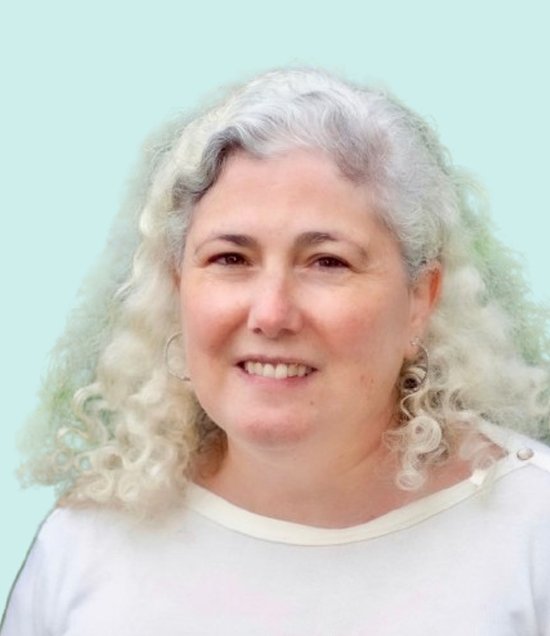
Malca R. Gottlieb
Licensed Independent Clinical Social Worker
C-DBT certified and EMDR-trained, offering relationship-centered psychotherapy for anorexia, particularly when restrictive eating is intertwined with trauma, attachment wounds, or family dynamics. Works across the lifespan, from children to older adults.
View full bio →
Megan M. Herbets
Licensed Professional Counselor
Specialized eating disorder treatment training combined with advanced DBT, ACT, IFS, and psychodynamic psychotherapy. Works with adolescents and adults through the full arc of anorexia recovery, including the body image and perfectionism work that often carries forward.
View full bio →
Michelle R. Scudero
Licensed Clinical Social Worker
Specialized training in eating disorders across the lifespan (children, adolescents, adults, and individuals with special needs), plus expertise in disordered eating during pregnancy and breastfeeding. Licensed in Maryland, DC, and Pennsylvania.
View full bio →Payment & Where We Work
We see people via secure telehealth across Maryland, Washington DC, and Pennsylvania. We offer concierge support to help you use out-of-network benefits with most major plans.
For full details on payment, telehealth delivery, and the specific areas we serve, visit our Eating Disorder Therapy page or our Payment Options page.
Anorexia-Specific Questions
A few questions that come up specifically about anorexia care. For broader questions about payment, telehealth, getting started, and our process more generally, those live on our Eating Disorder Therapy page.
Atypical anorexia involves all the cognitive, behavioral, and emotional features of anorexia (restriction, fear of weight gain, body image distortion, significant weight loss), but the person's weight remains within or above what's considered "normal." Yes, it is just as serious. Research shows atypical anorexia produces the same medical complications, the same psychological severity, and requires the same level of care as classic anorexia. The medical and psychological severity of an eating disorder isn't determined by weight.
FBT works well for adolescents who are medically stable enough for outpatient care. That determination is made jointly with a medical provider (typically your pediatrician or family doctor) based on vitals, labs, weight, and overall medical status. If your child is medically unstable or has been rapidly losing weight, a higher level of care (PHP, IOP, or residential) may be needed first. Many adolescents step down from higher levels of care into FBT as outpatient treatment. We can help you assess where on that continuum your family is and refer to a higher level of care if needed.
No. Weight monitoring, vital signs, and medical management are best handled by your medical team, typically a pediatrician, primary care physician, or medical doctor specializing in eating disorders. Your Juniper Blu therapist works as part of a coordinated team alongside your medical providers and dietitian. With your written consent, we communicate directly with your medical team to make sure everyone supporting you is working from the same plan.
Yes. Research consistently shows that anorexia is treatable across the lifespan, even after long histories of illness. Adult treatment typically uses different approaches than adolescent FBT, often CBT-E, DBT, or integrated approaches that address the psychological, relational, and trauma-related drivers that have kept the disorder in place. Recovery looks different for adults than for adolescents, but it is genuinely possible.
This is one of the hardest situations parents face, and one of the reasons FBT exists. Unlike many other approaches, FBT doesn't depend on the adolescent's initial motivation. The model recognizes that anorexia distorts thinking and that recovery often happens through restoration first, with insight following. Parents are coached to take charge of nutrition even when the teen resists. We work alongside parents through this. It's hard work, but it's done with you, not to you.
Start Anorexia Care with Juniper Blu Collective
Whether you're navigating this for yourself or for someone you love, you don't have to figure it out alone. Reach out today and we'll talk through what specialized care could look like for you.
Connect With Us