Areas We Serve
Online Therapy in Washington, D.C.
Work with a therapist licensed in the District, from anywhere in D.C.
Juniper Blu Collective is a telehealth practice supporting people across Washington, D.C. with eating disorders, trauma, anxiety, and the range of things that bring someone to therapy. Sessions are by secure video. No commute, no waiting room, no office to find.
What most people want to know first
- You can be anywhere in Washington, D.C. Sessions happen by video.
- Our D.C. team runs deep, with independently licensed clinicians and graduate-level clinicians working under supervision, so you're matched to the right specialty and level of care.
- We're currently accepting new people in D.C. The first step is a free consultation to ask questions and work out whether this is a fit, with no commitment.
- We offer concierge support for out-of-network benefits, and we're happy to talk through payment and coverage before you start.
- You don't need to have it figured out before you reach out. Most people don't.
Your therapists in Washington, D.C.
Therapy is licensed state by state, so these are clinicians who can work with you while you're in Washington, D.C. Every one holds a current District of Columbia license. To meet the full team, visit Our Team.

Jamie L. Jones
Founder · LCPC, LPC, LCPAT, ATR-BC, C-DBT, TBHP
Eating Disorder and Body Image Specialist who founded Juniper Blu in 2013. More than 17 years of clinical work in the Washington, D.C. area, and a DC-approved clinical supervisor. Certified Anxiety, OCD, and Panic Specialist with advanced DBT and attachment trauma training.
DC LPC #PRC14344 View full bio →
Michelle R. Scudero
Licensed Clinical Social Worker
Comes to therapy from hospital and medical social work, supporting people through chronic illness, oncology, grief, and the perinatal period. Trained in eating disorders across the lifespan.
DC LCSW #LC200002764 View full bio →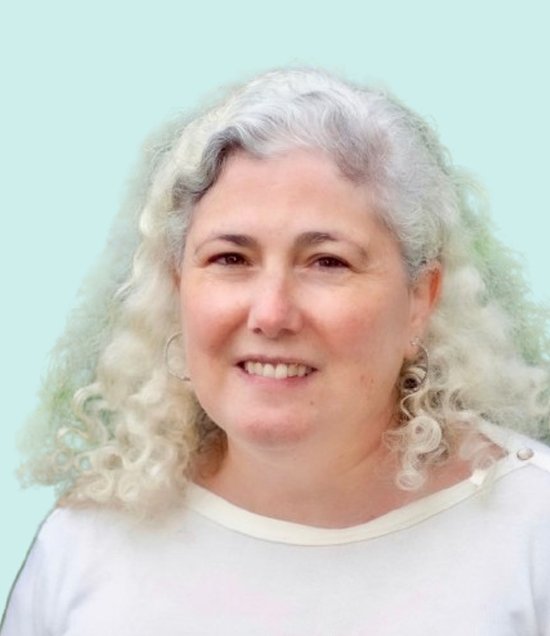
Malca R. Gottlieb
Licensed Independent Clinical Social Worker
Works relationally and non-directively, drawing on approaches including DBT and EMDR to support people navigating family relationships, anxiety, depression, trauma, and eating disorders.
DC LICSW #LC50079200 View full bio →
Megan M. Herbets
Licensed Professional Counselor
DBT-trained and a board-certified supervisor, working with depression, eating disorders, anxiety and panic, trauma, and personality-related concerns.
DC LPC #PRC15421 View full bio →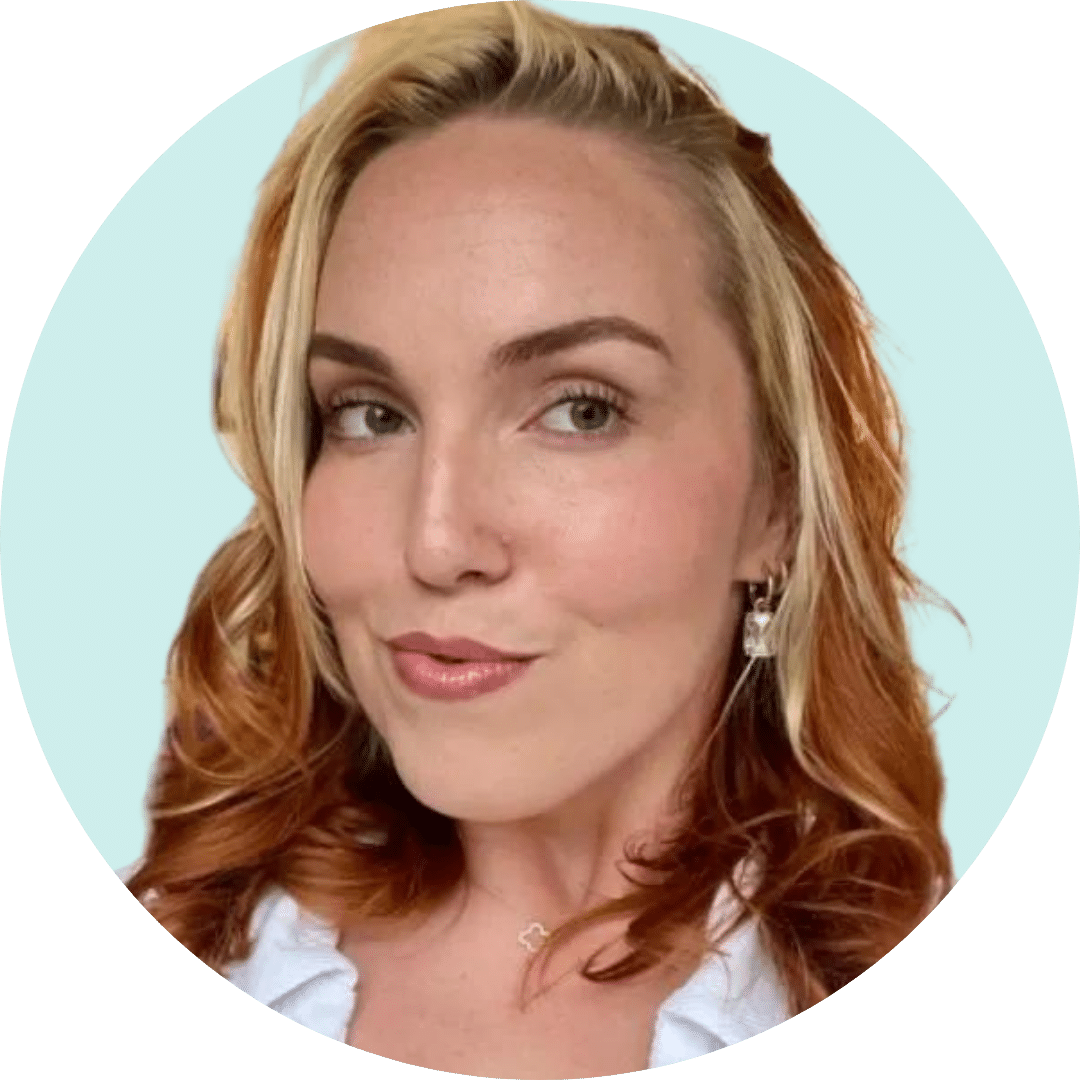
Kate S. Bell
Licensed Graduate Professional Counselor
Practices under the clinical supervision of Jamie L. Jones.Works with adults, couples, and families around anxiety, burnout, perfectionism, grief and loss, and life transitions.
DC LGPC #LGPC200012712 View full bio →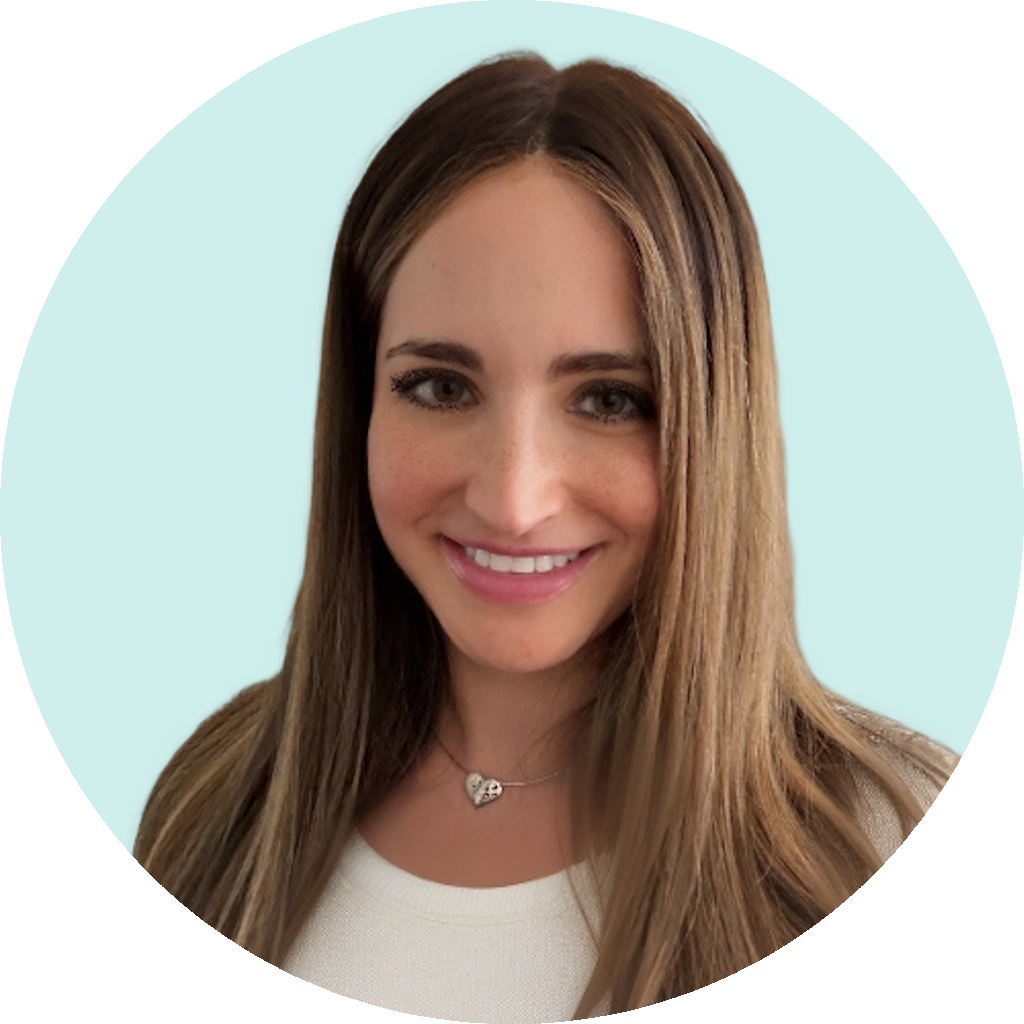
Batya H. Erickson
Licensed Graduate Professional Counselor
A Nationally Certified Counselor who works through the lens of attachment theory, supporting people with life transitions, burnout, trauma, anxiety, depression, grief, and emotion regulation.
DC LGPC #LGPC200001417 View full bio →
Stacey C. Cooperman
Licensed Graduate Professional Counselor
A Nationally Certified Counselor with advanced training in trauma, mindfulness, and grief, supporting people with anxiety, depression, eating disorders, life transitions, and trauma. Bilingual in English and French.
DC LGPC #LGPC200001672 View full bio →
Annie M. Sousa
Licensed Graduate Professional Counselor
EMDR-trained with advanced somatic and attachment-focused trauma training, specializing in trauma, anxiety, ADHD, autism and neurodivergence, and depression. Bilingual in English and Spanish.
DC LGPC #LGPC200001862 View full bio →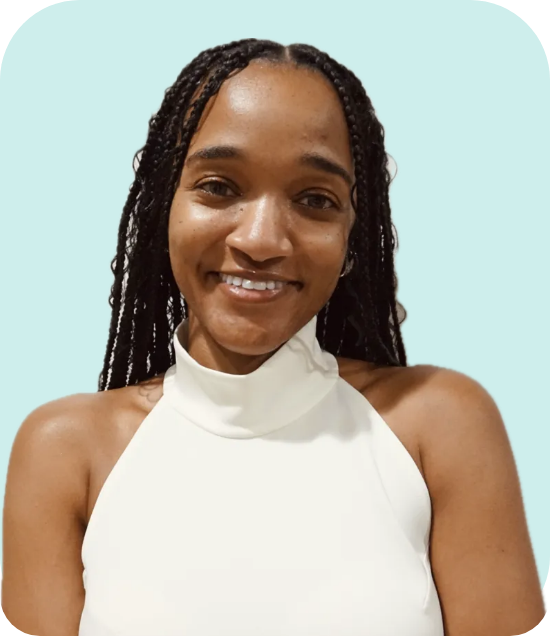
Jenna D. Howard
Licensed Graduate Professional Counselor
A Nationally Certified Counselor supporting people with relationship and intimacy concerns, anxiety, depression, grief, mood concerns, and addiction, using attachment-based, CBT, DBT, and mindfulness approaches.
DC LGPC #LGPC00748 View full bio →DC license numbers can be checked on the District of Columbia's health professional license verification service.
Getting care in the District shouldn't be this hard
Access is a real issue here. Parts of Washington, D.C. are federally designated as mental-health professional shortage areas by the U.S. government (DC Health), and nationally, designated shortage areas met only about 27% of estimated mental-health need as of December 2025 (HRSA). Working online means your options are every clinician licensed in the District, not every clinician with an opening near your neighborhood.
What we help with
Eating disorders. Our founding specialty, and one of the hardest things to find a DC therapist for who is actually taking new people. A difficult relationship with food, eating, or your body is worth support regardless of your appearance or size, and that includes body image and body dysmorphia, which many people in the District search for separately. You don't have to be at a particular point for it to count. Some situations need in-person medical support alongside therapy, and we'll tell you if that's where you are. Eating disorder therapy →
Trauma and PTSD. A lot of the trauma work people in the District look for is specific: PTSD, trauma-focused therapy, the aftermath of a single event. Trauma often shows up as things that feel like personal failings: being constantly on edge, going numb, sleeping badly, avoiding reminders. Those are ordinary responses to what you've lived through. Several of our clinicians carry advanced trauma training, and we work at a pace that builds stability first. Trauma therapy →
Anxiety, OCD, and panic. For some people it's a low hum of worry that never switches off. For others it arrives suddenly and physically, as panic. Both are worth support, and if you're specifically looking for experience with panic disorder, our founder is a Certified Anxiety, OCD, and Panic Specialist. Anxiety support →
Autism and neurodivergence. Affirming therapy for autistic adults and neurodivergent people, including those who were identified later in life or are questioning now. The goal isn't to change how your mind works, but to support you within it. Neurodivergence-affirming therapy →
Depression. Depression and anxiety often travel together, each feeding the other, and low mood can make starting anything, including therapy, feel like a lot. Support can help you understand the patterns underneath it and find your footing again. Depression support →
Virtual vs. in-person therapy in Washington, D.C.
| Consideration | Virtual therapy (Juniper Blu Collective) | In-person therapy |
|---|---|---|
| Access & commute | No cross-town travel; sessions from home or a private space anywhere in D.C. | Requires travel to an office; DC traffic and parking add time and cost |
| Choice of therapist | Matched by specialty and fit across our whole DC-licensed team | Often limited to clinicians near your home or office |
| Scheduling | Easier to fit around demanding work hours | Tied to office hours and travel time |
| Privacy needs | Requires a private space where you won't be overheard | Privacy provided by the office setting |
| Level of care | Well-suited to outpatient talk therapy | May be necessary for higher-acuity needs or in-person medical monitoring |
What does it cost, and will my insurance cover it?
Coverage varies from person to person, so the best next step is to reach out and we'll talk through your specific situation. If you have out-of-network benefits, we offer concierge support to help you use them and seek reimbursement. We do not accept Medicaid or Medicare.
If you're paying out of pocket, you have a right under the federal No Surprises Act to a Good Faith Estimate of expected costs before you begin. That concierge support means a monthly superbill, an itemized receipt you send your insurer, and help working through the submission. More on our payment page.
How to start
- Reach out through the contact form or by phone for a free consultation. This step is for your questions.
- Tell us what you're looking for, including scheduling, insurance, and whether weekly online sessions are the right fit right now.
- Get matched with a DC-licensed clinician.
- Begin secure video sessions from anywhere in the District.
Balance Begins Here
Reach out and we'll match you with a therapist licensed in Washington, D.C.
Connect With UsThree things to check before booking any online therapist
Licensed
Licensed in Washington, D.C., not just "serving" it. Ask for the license number and look it up on the DC Health license verification service.
Located
Licensing follows where you physically are during a session, not your mailing address. In a region where people cross the D.C., Maryland, and Virginia line every day, that matters: if you commute or split time across state lines, say so before you start.
Level of care
Is weekly outpatient therapy the right intensity right now, or do you need more support than that?
General information about how licensing works, not legal advice.
Frequently asked questions
Does Juniper Blu Collective offer online therapy in Washington, D.C.?
Yes. Juniper Blu Collective is a telehealth practice that provides fully virtual therapy across Washington, D.C. through clinicians licensed in the District. Sessions happen by secure video, with no in-person office visit.
Are you accepting new clients in D.C. right now?
Yes, we're currently accepting new DC clients for virtual therapy, including for eating disorders, trauma, and anxiety. Availability varies by clinician and specialty, so the quickest way to check a specific fit or start date is to book a free consultation. If the clinician who fits your needs most closely has a wait, we'll tell you honestly and talk through your options.
Do you offer evening or weekend appointments?
Availability varies by clinician, and because sessions are virtual there's no commute eating into your day, which makes it easier to fit therapy around a demanding work schedule. Tell us what times realistically work for you during your consultation and we'll match you with a clinician whose openings fit.
I live in D.C. but work in Maryland or Virginia. Where do my sessions count?
What matters is where you're physically located during the session, not your mailing address or where you work. If you're in Washington, D.C. during your sessions, a DC-licensed clinician can see you. Because several of our clinicians are also licensed in Maryland and Pennsylvania, we can often keep continuity if you regularly cross the D.C. and Maryland line. Tell us your situation and we'll confirm the fit from the start.
How does payment work at Juniper Blu Collective in D.C.?
We offer concierge support to help you use any out-of-network benefits your plan includes, including a monthly superbill you can submit for possible reimbursement. Coverage varies by plan, so the best next step is to reach out and we'll talk through your situation. We do not accept Medicaid or Medicare.
How do you compare to larger DC therapy groups or national platforms?
The practical differences most people ask about are specialization and continuity. Juniper Blu is a specialty-focused collective with real depth in eating disorders, trauma, and anxiety, rather than a general-purpose platform, so you're matched to a clinician who works with your specific concern. You keep the same therapist rather than being reassigned, and our clinicians are licensed across D.C., Maryland, and Pennsylvania. A free consultation is the best way to see whether we're the right fit for what you're looking for.
Can I get eating disorder therapy online in D.C.?
Yes. Eating disorders are our founding specialty, and for many people virtual care is a good fit, including for body image and body dysmorphia concerns. Some situations need in-person medical monitoring or a higher level of care, and part of a consultation is checking that. For urgent support, the National Alliance for Eating Disorders helpline is 1-866-662-1235 (weekdays).
Do you work with autistic adults and neurodivergent people in D.C.?
Yes. We offer neurodivergence-affirming therapy for autistic adults and neurodivergent people, including those identified later in life or questioning now. The aim is to support you within how your mind works rather than to change it.
Do I need to live near Chevy Chase to work with Juniper Blu Collective?
No. Juniper Blu Collective is a telehealth practice, so you can work with us from anywhere in Washington, D.C. The Chevy Chase, Maryland address is our administrative office, just across the D.C. line, not somewhere you visit.
This page is for general education and isn't a substitute for personalized care. Reading it doesn't create a therapist–client relationship. If you're struggling, connecting with a licensed professional can help.