Areas We Serve
Online Therapy in Maryland
Work with a therapist licensed in Maryland, from anywhere in the state.
Juniper Blu Collective is a telehealth practice based in Chevy Chase, and Maryland is where it began. Founder Jamie L. Jones started the practice here in 2013, so our deepest team and longest track record are in Maryland. We support people with eating disorders, trauma, anxiety, neurodivergence, and the range of things that bring someone to therapy. Sessions are by secure video. No commute, no waiting room.
What most people want to know first
- You can be anywhere in Maryland. Sessions happen by video.
- This is our home state. Our Maryland team is the deepest we have, and each clinician's Maryland license or registration number is on their card and can be looked up.
- We're currently accepting new people in Maryland. The first step is a free consultation to ask questions and work out whether this is a fit, with no commitment.
- Sessions run $180 to $328, with some reduced-fee spots available. We also offer concierge support for out-of-network benefits.
- You don't need to have it figured out before you reach out. Most people don't.
Your Maryland team
Therapy is licensed state by state, so these are the clinicians who can work with you while you're in Maryland. Each card shows the clinician's credential and Maryland license number, and whether they are independently licensed or a graduate counselor practicing under clinical supervision. To meet the full team, visit Our Team.

Jamie L. Jones
Founder · LCPC, LCPAT, ATR-BC, C-DBT
Eating Disorder and Body Image Specialist who founded Juniper Blu in 2013 to support people navigating eating disorders and self-harming behaviors. 17+ years with adults and adolescents. Certified Anxiety, OCD, and Panic Specialist, with advanced DBT and attachment trauma training.
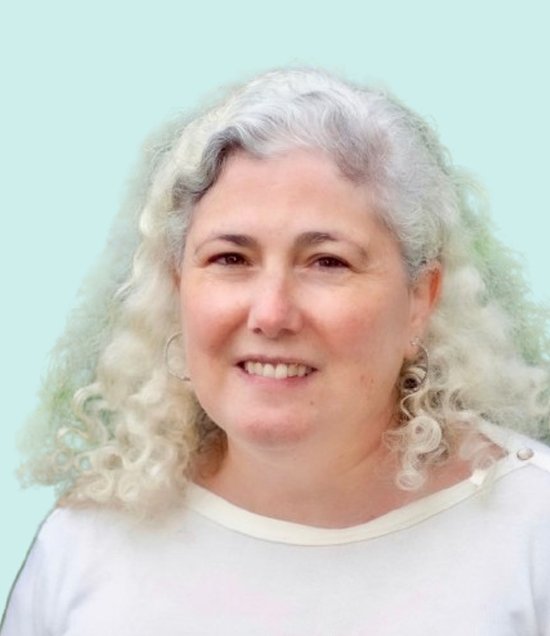
Malca R. Gottlieb
LCSW-C · C-DBT
Certified Dialectical Behavior Professional and EMDR-trained. Works with anxiety, trauma, eating disorders, and family relationships, with LGBTQ-affirming care.
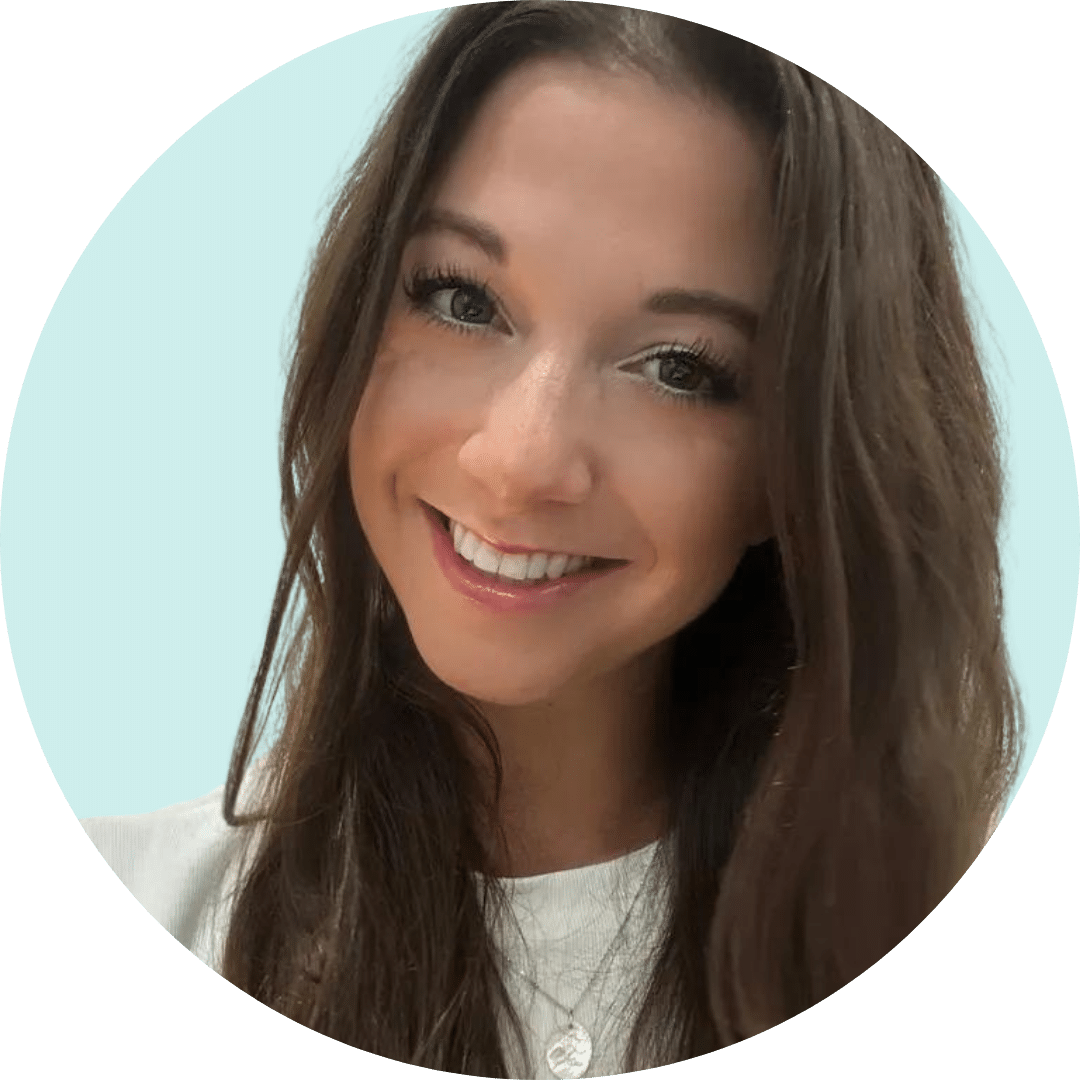
Megan M. Herbets
Licensed Clinical Professional Counselor
Advanced DBT training with ACT, IFS, and trauma-informed approaches. Works with eating disorders, anxiety, panic, OCD, and the mood concerns that often travel with them.
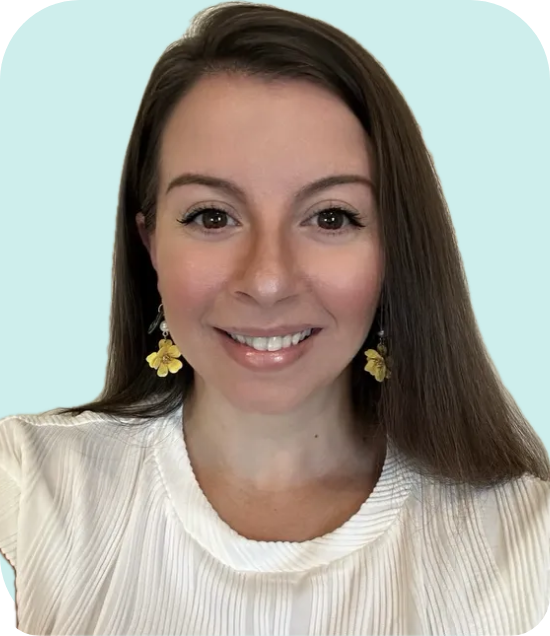
Michelle R. Scudero
Licensed Clinical Social Worker
Comes to therapy from hospital and medical social work, and works with people navigating chronic illness, oncology, grief, and the perinatal period. Trained in eating disorders across the lifespan.
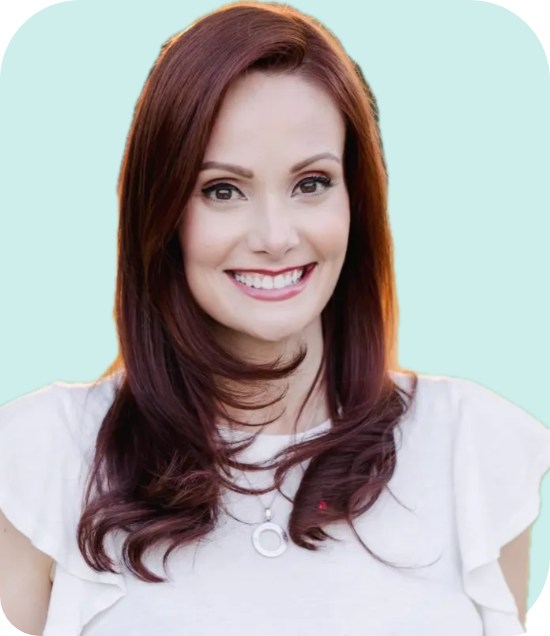
Annie M. Sousa
Licensed Graduate Professional Counselor
EMDR-trained with somatic trauma training. Works with trauma, anxiety, ADHD, autism, and burnout. Bilingual in English and Spanish.
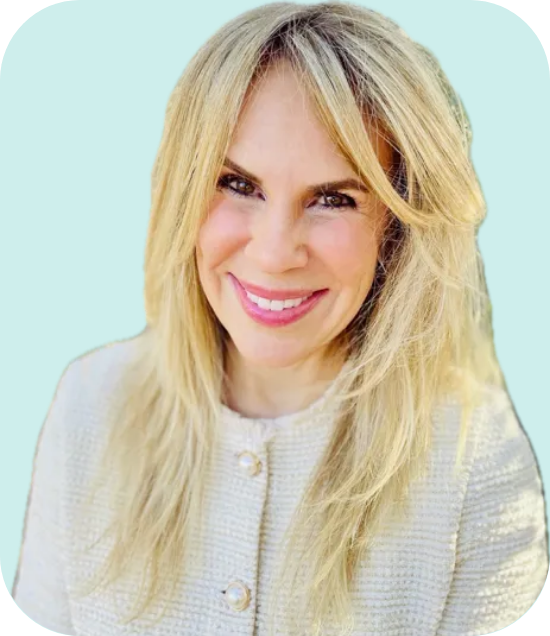
Stacey C. Cooperman
Licensed Graduate Professional Counselor
Certified Trauma, Mindfulness, and Grief-Informed Professional. Works with anxiety, depression, trauma, and eating disorders. Bilingual in English and French.
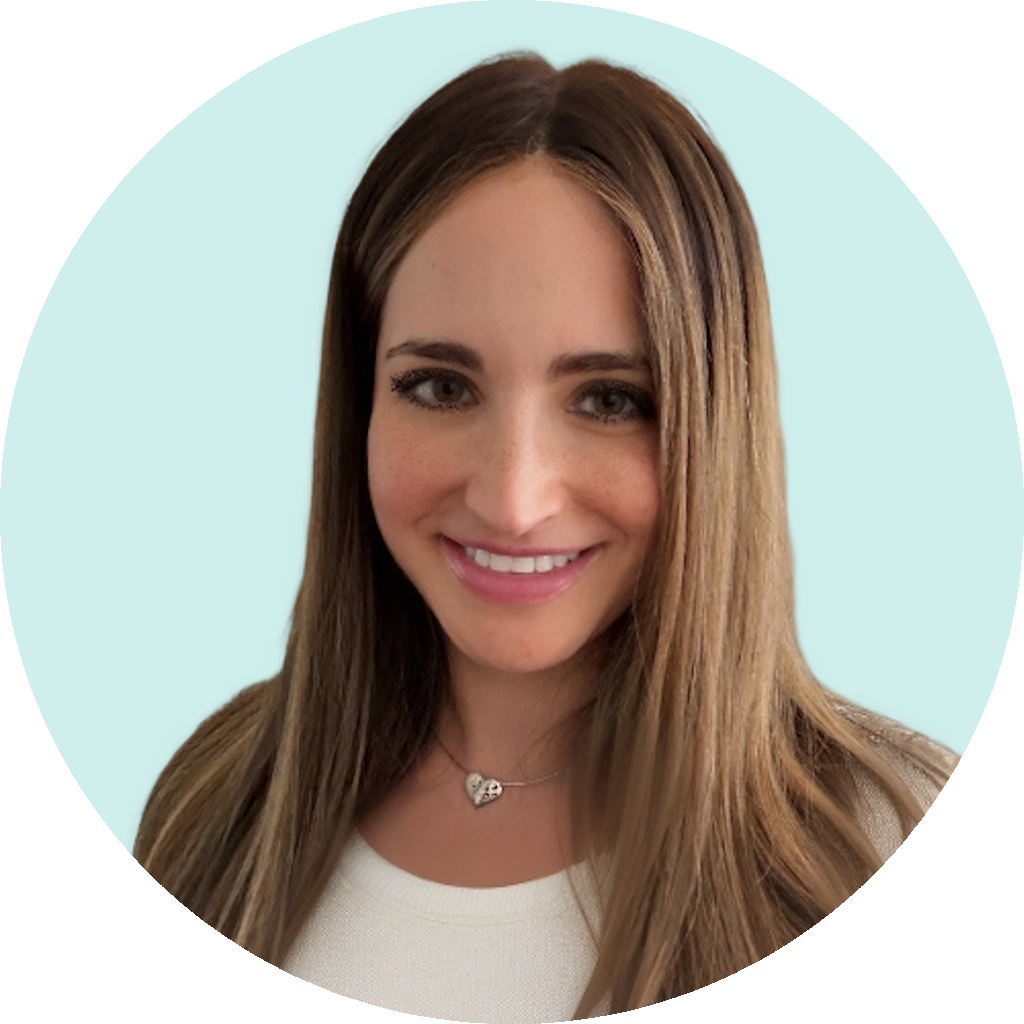
Batya H. Erickson
Licensed Graduate Professional Counselor
Attachment-based, mindfulness-informed support for anxiety, life transitions, burnout, and grief. Works with children through adults.
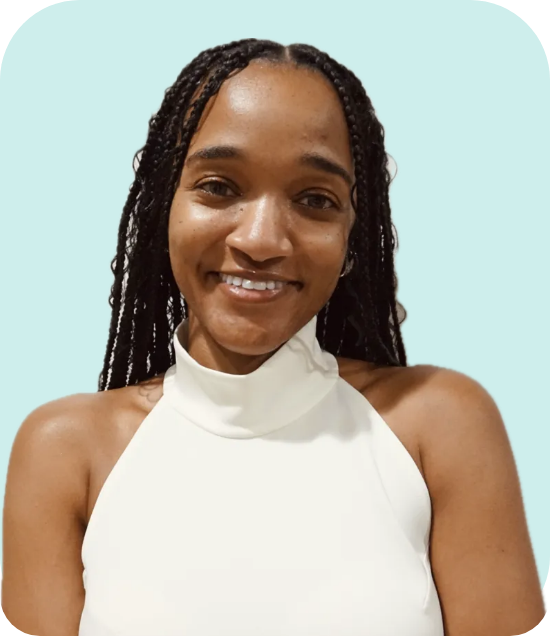
Jenna D. Howard
Licensed Graduate Professional Counselor
National Certified Counselor drawing on attachment-based therapy, CBT, DBT, and mindfulness for anxiety, depression, grief, and relationship concerns.
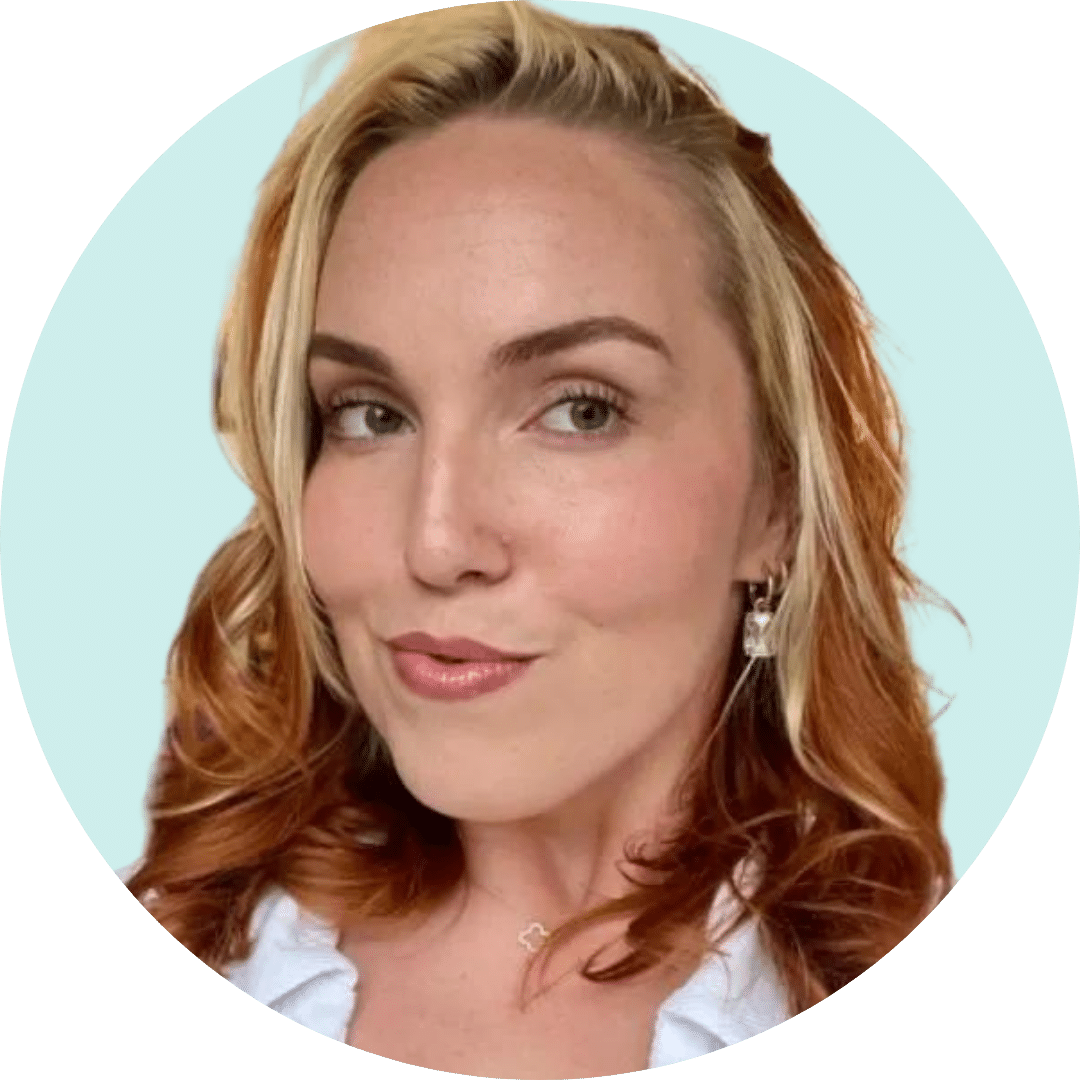
Kate S. Bell
Licensed Graduate Professional Counselor
Attachment-based and IFS-informed support for anxiety, burnout, perfectionism, grief, and life transitions, including high-achieving people who look fine on the outside. Works with adults, couples, and families.
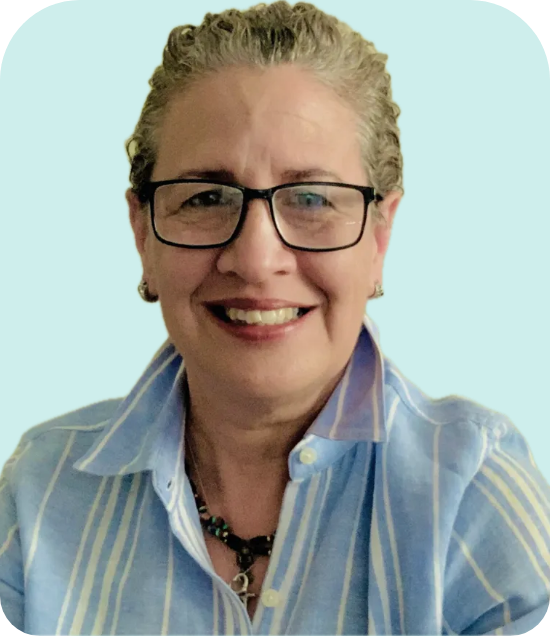
Eva M. Camacho
Licensed Graduate Professional Counselor
A National Certified Counselor and former developmental psychology researcher who works with youth and families, drawing on a multimodal approach that includes CBT, emotionally focused, mindfulness-based, narrative, and strength-based therapy.
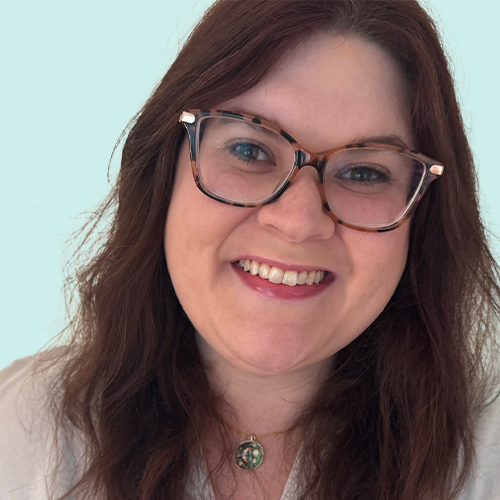
Artemis Rigopoulos
Supervised intern · Alcohol and Drug Trainee
A supervised intern offering trauma-informed support, with training in addiction counseling, child and adolescent development, and domestic violence and sexual assault response. Draws on mindfulness, somatic, and art therapy approaches. Offers sessions in English, Portuguese, and Greek. Practices under the clinical supervision of Jamie L. Jones.
Every number above can be checked on Maryland's two licensing boards: counselors and art therapists on the Board of Professional Counselors and Therapists, and clinical social workers on the Board of Social Work Examiners.
What Maryland's mental health licenses mean
Maryland licenses mental health clinicians through two separate boards, and the credential tells you how a clinician practices. Here is what each of ours means.
| Credential | What it is | Issuing board | Practice level |
|---|---|---|---|
| LCPC | Licensed Clinical Professional Counselor, the independent clinical counseling license. | Professional Counselors and Therapists | Independent |
| LCPAT / ATR-BC | Licensed Clinical Professional Art Therapist and Board Certified Art Therapist, for clinical art therapy. | Professional Counselors and Therapists | Independent |
| LCSW-C | Licensed Certified Social Worker-Clinical, the independent clinical social work license. | Social Work Examiners | Independent |
| LGPC | Licensed Graduate Professional Counselor, a graduate-level license held while practicing under clinical supervision. | Professional Counselors and Therapists | Supervised |
| ADT | Alcohol and Drug Trainee, a trainee registration held by a supervised intern. Not an independent clinical license. | Professional Counselors and Therapists | Supervised (in training) |
Based in Chevy Chase, serving all of Maryland
We're based in Chevy Chase, in Montgomery County, and because every session is by video, where you live in Maryland doesn't limit who you can work with. Specialized eating disorder, trauma, and neurodivergence-affirming clinicians are hard to find in person across much of the state, so working online means your options are every clinician licensed in Maryland, not just those within driving range. It also removes the barrier of commuting on a low-motivation day, which is common in eating disorder and depression recovery.
People reach out from Chevy Chase, Bethesda, Silver Spring, and Rockville, and from Baltimore, Annapolis, Columbia, Frederick, and communities across the state. What matters is the fit between you and a clinician who understands what you're navigating, not your zip code.
What we help with
Eating disorders. Our founding specialty, and the hardest kind of care to find outside the big metros. A difficult relationship with food, eating, or your body is worth support regardless of your appearance or size (NIMH). Because eating disorders rarely stand alone, your therapist coordinates with dietitians, physicians, and psychiatrists so treatment stays aligned. Some situations need in-person medical support alongside therapy, and we'll tell you if that's where you are. Eating disorder therapy →
Trauma. Trauma often shows up as things that feel like personal failings: being constantly on edge, going numb, sleeping badly, avoiding reminders. Those are ordinary responses to what you've lived through. We work at a pace that builds stability first. Trauma therapy →
Anxiety, OCD, and panic. For some people it's a low hum of worry that never switches off. For others it arrives suddenly and physically. Both are worth support. Anxiety support →
Autism and neurodivergence. Affirming, strength-based support for autistic and ADHD adults, teens, and children, including those who are late-diagnosed or high-masking. Neurodivergence-affirming therapy → · Autism support →
Depression. Depression and anxiety often travel together, each feeding the other, and low mood can make starting anything, including therapy, feel like a lot. Support can help you understand the patterns underneath it and find your footing again. Depression support →
With your written consent, we also coordinate with nutritionists, nurse practitioners, and primary care providers, so the people treating you stay aligned rather than working in parallel.
LGBTQ-affirming therapy in Maryland
If you have spent time in therapy where you had to explain or defend who you are before you could get to the actual work, that is not how it should feel. Our Maryland team provides affirming care for LGBTQ adults, where your identity is understood rather than treated as the problem to be solved. Malca R. Gottlieb, LCSW-C, an independently licensed clinician, anchors this work, supporting people around identity, relationships, family dynamics, and the anxiety and minority stress that can come alongside them.
Therapy for chronic illness and serious medical conditions
A serious or chronic illness affects far more than the body. The fear, grief, identity shifts, and strain on relationships that come with a diagnosis are real, and they deserve support of their own. Michelle R. Scudero, LCSW-C, brings a background in hospital and medical social work, supporting people navigating chronic disease management, oncology, serious illness, and the perinatal period, as well as families caring for a loved one. It is specialized work, and one of the areas where our Maryland team offers something many practices do not.
What does it cost, and will my insurance cover it?
Coverage varies from person to person, so the best next step is to reach out and we'll talk through your specific situation. If you have out-of-network benefits, we offer concierge support to help you use them and seek reimbursement. We do not accept Medicaid or Medicare.
Sessions range from $180 to $328 for 53 minutes, depending on the clinician. We hold a limited number of reduced-fee spots based on availability and financial need, so if cost is the thing standing in the way, say so rather than not reaching out.
That concierge support means a monthly superbill, an itemized receipt you send your insurer, and help working through the submission. If you're paying out of pocket, you also have a right to a Good Faith Estimate of costs before starting. More on our payment page.
How to start
- Reach out through the contact form or by phone for a free consultation. This step is for your questions.
- Tell us what you're looking for, including scheduling, coverage, and whether weekly online sessions are the right fit right now.
- Get matched with a Maryland-licensed clinician suited to what you're navigating.
- Begin secure video sessions from anywhere in Maryland.
Balance Begins Here
Reach out and we'll match you with a Maryland-licensed clinician.
Connect With UsThree things to check before booking any online therapist
Licensed
Licensed in Maryland, not just "serving" it. Ask for the license number and look it up on the counselors or social work board.
Located
Licensing follows where you physically are during a session, not your address. If you travel or split time between states, say so before you start.
Level of care
Is weekly outpatient therapy the right intensity right now, or do you need more support than that?
General information about how licensing works, not legal advice.
Frequently asked questions
Is online therapy legal in Maryland?
Yes. Online therapy is legal in Maryland when the clinician is licensed in the state and you are physically located in Maryland during the session. Juniper Blu Collective's Maryland sessions are provided by clinicians who hold active Maryland licenses, so you are working with someone the state recognizes.
Do I have to be in Maryland during my session?
Yes. Licensing follows your physical location during the session, not your mailing address. If you travel out of state, your Maryland-licensed therapist generally cannot see you while you are there unless they also hold a license in that state. Tell your therapist in advance about planned travel.
Can a therapist licensed in another state see me in Maryland?
Generally no. A therapist must be licensed in the state where you are physically located during the session. Maryland has enacted the Counseling Compact but it is not operational yet, so a privilege from another state does not apply here. Look for an actual Maryland license.
Is the Counseling Compact active in Maryland?
Not yet. Maryland has enacted the Counseling Compact, but it is not operational nationwide, so for now an out-of-state counselor still can't use a Compact privilege to treat you here. For Maryland residents this changes nothing in practice: our clinicians serve you under full Maryland licensure. The compact mainly matters for practicing across state lines once it is fully implemented, and it covers counselors only, not social workers or psychologists.
Which Juniper Blu clinicians can see people in Maryland?
Our independently licensed Maryland clinicians are Jamie L. Jones (LCPC, LCPAT), Malca R. Gottlieb (LCSW-C), Megan M. Herbets (LCPC), and Michelle R. Scudero (LCSW-C). Our graduate counselors practicing under supervision are Annie M. Sousa, Stacey C. Cooperman, Batya H. Erickson, Jenna D. Howard, Kate S. Bell, and Eva M. Camacho (all LGPC). We also have a supervised intern, Artemis Rigopoulos. Every license or registration number is listed on their card above.
How can I verify a therapist's Maryland license?
Maryland uses two boards. Counselors and art therapists are verified through the Board of Professional Counselors and Therapists, and clinical social workers through the Board of Social Work Examiners. Each clinician's license number is on their card, and both board lookup tools are linked in the team section, so you can confirm status and standing yourself in under a minute.
What is the difference between an independently licensed clinician and a graduate counselor?
An independently licensed clinician (LCPC, LCPAT, or LCSW-C) practices on their own license. A Licensed Graduate Professional Counselor (LGPC) is fully licensed at the graduate level and practices under the clinical supervision of a licensed supervisor, which is a normal stage of Maryland licensure. We will always tell you which applies to the clinician you are matched with.
How does payment and insurance work in Maryland?
Payment and coverage can look different from one person to the next, so the best next step is to reach out, and we will talk through your options before your first session. Sessions range from $180 to $328 for 53 minutes, with a limited number of reduced-fee spots. If you have out-of-network benefits, we offer concierge support to help you use them, including a superbill to seek reimbursement. We do not accept Medicaid or Medicare.
Do I need to live near Chevy Chase to work with Juniper Blu Collective?
No. Juniper Blu Collective is a telehealth practice, so you can work with us from anywhere in Maryland. The Chevy Chase address is our administrative office, not somewhere you visit.
Can I get eating disorder therapy online in Maryland?
Yes, and for many people it's a good fit. Eating disorder care is our founding specialty, and telehealth means you can work with a specialist from anywhere in Maryland. Some situations need in-person medical monitoring or a higher level of care, and part of a consultation is checking whether outpatient telehealth is the right intensity for you. For eating disorder support and referrals, the National Alliance for Eating Disorders helpline is 1-866-662-1235, Monday to Friday, 9 a.m. to 7 p.m. ET. It is not a 24/7 crisis line; if you are in crisis, call or text 988.
Is the first consultation free?
Yes. The initial consultation is free and carries no commitment. It's a chance to ask questions, talk through what you're looking for, and work out whether one of our clinicians is a good match before you book a session.
What happens if I move out of Maryland?
It depends where. If you move to Washington, D.C. or Pennsylvania, you may be able to keep the same clinician, since several of our team are licensed across those jurisdictions. If you move elsewhere, we can help with a referral rather than leaving you to start from scratch.
Beyond Juniper Blu, the Maryland Behavioral Health Administration and the Mental Health Association of Maryland offer statewide information, referrals, and support.